Human beings are wired for connection: from the moment we are born until we die, we need the security of loving relationships as a safe harbor from the storms of life. And yet, building healthy and fulfilling relationships is also one of the most challenging endeavors we can embark upon. We may be navigating painful histories within the relationship itself. We may be struggling with having never had a good model or example of a secure relationship. And even the most loving relationships can become shaped by unhelpful patterns, reactive dynamics, and the rippling impacts of generational or childhood trauma.
When relationships begin to struggle, seeking therapy is vulnerable and brave, yet often fraught with worries and uncertainty. As a relationship therapist, I want to unpack some of the most common myths about couples therapy to demystify the process and show that reaching for support is not a sign that things are falling apart but an act of courage, commitment, and care.
Myth #1: Couples therapy is only for relationships in crisis.
While therapy can absolutely help during moments of betrayal, conflict, or rupture, it isn’t reserved only for relationships on the brink of break up or divorce. Many couples seek support simply because they want to communicate more effectively, deepen emotional intimacy, or prevent small disconnections from becoming entrenched patterns. In fact, beginning therapy earlier can be extremely beneficial: when we intervene before patterns harden under years of resentment or repeated hurt, the work often feels more accessible and less layered with accumulated pain.
Myth #2: Couples therapy is only for traditional relationships and/or “serious” couples
Couples therapy can be a benefit to all kinds of relationships (not just the traditional ones!). Whether married, engaged, dating, or queer platonic partners, “couples” therapy can support anyone seeking greater depth, closeness, and emotional security in their relationships. It is suitable for queer relationships, polyamourous or consensually non-monogamous (CNM) relationships, and other non-traditional relationship structures. Relationship therapy can also be done with more than two partners present, in cases of triads, quads, or smaller polycules.
That said, not every therapist is the right fit for every relationship. It is important to find a clinician who is competent, affirming, and experienced in working with your specific relational context. “Shop around” for a good fit, meet with a number of providers for a consultation call, and don’t be afraid to ask the clinician if they have experience working with relationships like yours.
Myth #3: The therapist will decide who’s right and who’s wrong.
Therapy isn’t about determining a winner or who is right vs. wrong; instead, it’s about understanding the cycle that partners are caught in and finding a new, productive way out of it. Oftentimes, relational conflict isn’t about the surface content of an argument (or who is “right”) but about the deeper emotions and context underlying current issues. The role of the therapist is to facilitate and support conversations that might be hard to have alone, and to help each partner slow down, recognize the pattern, and find their way back to each other again.

Myth #4: Therapy will make things worse by “stirring the pot.”
Therapy does invite honest, and often hard, conversations. However, being able to have those conversations in a space that is guided and supported allows for partners to broach the critically important conversations that need to be had—and often, conversations that need to be happening in a different way than before. When we slow down reactivity and create emotional safety, we find that underneath protective feelings of anger, or moves of withdrawal, are vulnerable emotions such as fear, grief, or longing for closeness. When those deeper emotions are expressed and received, it allows partners to connect in the way they really want to and provides a stronger foundation for hard conversations and weathering the storms of life.
Myth #5: Good couples shouldn’t struggle this much.
All couples struggle, yes, even “good” couples struggle! Conflict, disconnection, and some level of relationship distress is a normal part—and in fact, can be a healthy part—of all relationships. Secure relationships are built through cycles of rupture and repair, and it is through conflict and strife that we learn how to better turn toward each other and care for those we love.
The strongest relationships are not the ones that avoid struggle, but rather the ones that learn how to move through conflict effectively and compassionately. When partners understand their patterns, repair their ruptures, and foster a secure, supportive bond, their relationship becomes a true safe harbor and source of resilience in the face of life’s inevitable challenges.
If you’re curious to explore learn more about couples therapy or would like support working with patterns in your own relationships, you can visit go to ICEEFT or find a local EFT therapist through the Pittsburgh EFT Community, Central PA EFT Community, and the Philadelphia Center for EFT.
Browse by Date
Browse by Category
About the Author
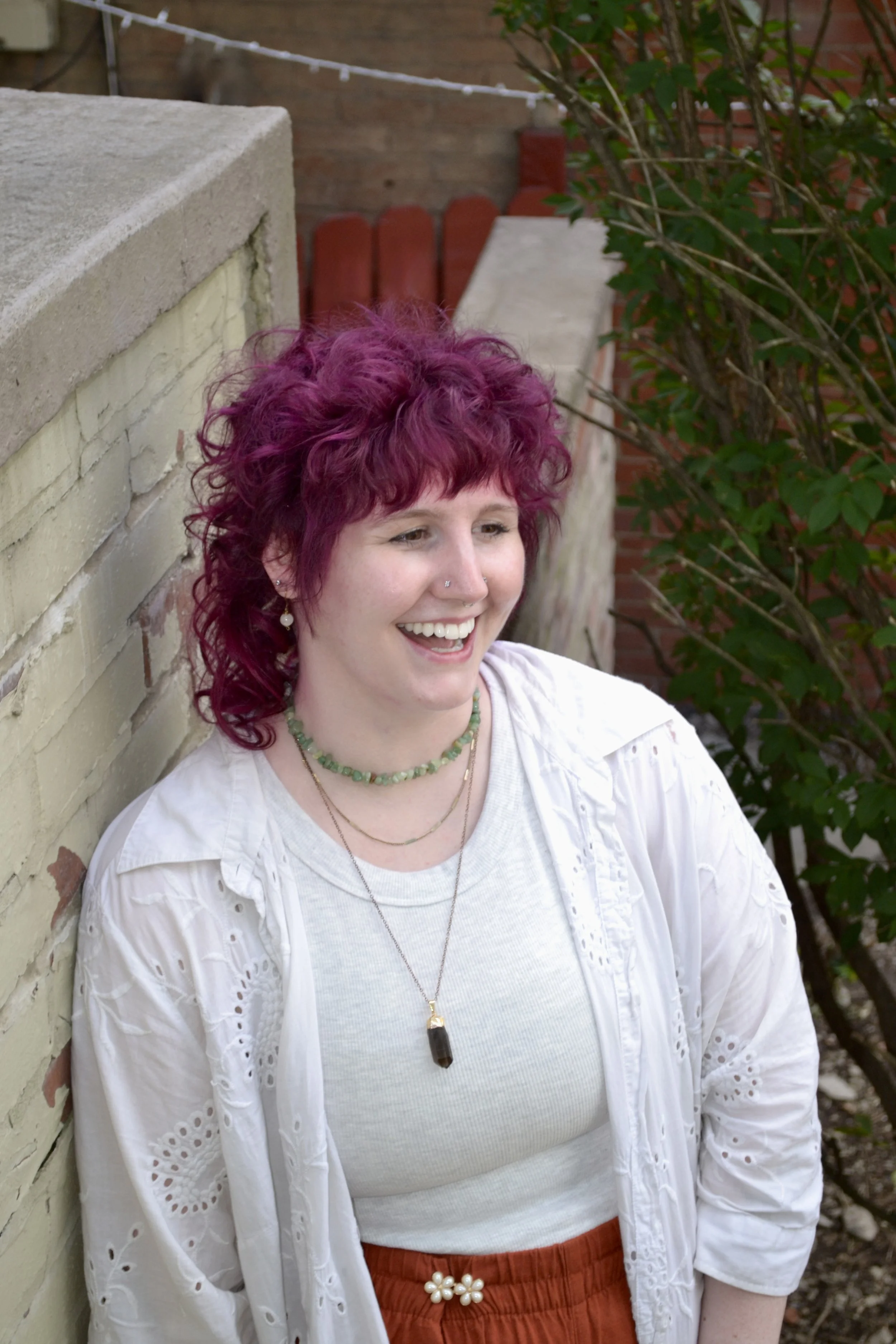
Hi, I'm Sable, a Licensed Professional Counselor specializing in Emotionally Focused Couples Therapy. As a queer and neurodivergent therapist, I bring both professional expertise and lived experience to my work. Here, I write about attachment science, relationships, queerness, neurodivergence, mindfulness, and yoga, exploring how our relationships—with others, ourselves, and our bodies—shape healing and growth.