

TRAUMA-SENSITIVE COUNSELING ✧ PITTSBURGH & ONLINE PENNSYLVANIA
Trauma-Informed Couples Therapy in Pittsburgh
— care for relationships impacted by trauma
Healing Happens in Safe Connection
Trauma doesn't stay neatly in the past. Even when the danger is over, its effects can continue to show up in our closest relationships. You may notice yourself becoming overwhelmed during conflict, shutting down when conversations become emotional, struggling to trust, or feeling constantly on guard. Your partner may want to help but not know how, leaving both of you feeling disconnected and alone.
Trauma-informed couples therapy offers a different path. Together, we'll move at a pace that honors your nervous system, helping you understand how trauma is affecting your relationship while creating new experiences of safety, trust, and connection.

Impact of Trauma in Relationships
Trauma can affect relationships in many ways, including:
Feeling emotionally or physically unsafe, even with someone you love
Difficulty trusting or depending on others
Becoming easily overwhelmed during conflict
Shutting down, withdrawing, or becoming emotionally numb
Hypervigilance or always expecting something to go wrong
Feeling misunderstood or alone in your experiences
Difficulty expressing needs or receiving comfort
Navigating the effects of PTSD, complex trauma, or childhood attachment wounds
Feeling like trauma has become a third presence in your relationship
Trauma doesn't only affect the person who experienced it—it often impacts the relationship as a whole. Partners of people with trauma may find themselves feeling confused, helpless, or unsure of how to offer support. They may begin walking on eggshells, withdrawing to avoid making things worse, or carrying their own feelings of fear, grief, or loneliness. In therapy, both partners' experiences matter. Together, we'll work to understand how trauma has shaped your relationship and create new ways of finding safety, connection, and support with one another.
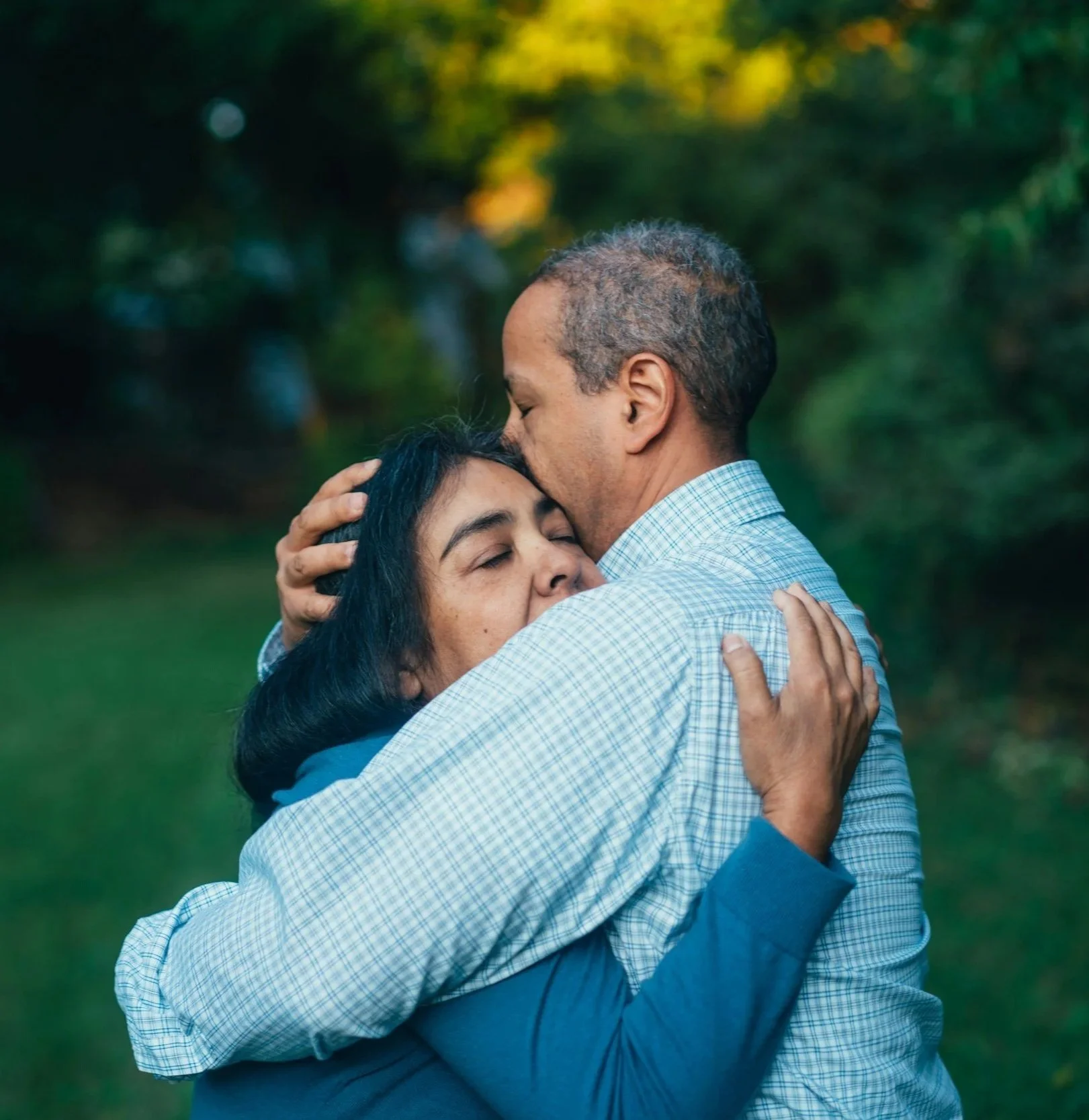

Benefits of Trauma-Informed Couples Therapy
Working with a clinician who understands trauma and provides a trauma-informed lens is vital. They can help you to better understand your protective survival responses in the context of what you have experienced and help you create safety in the relationship. They can help you better understand one another with greater compassion, and as the relationship becomes a place of greater safety, you will likely experience:
Greater emotional safety with one another
A calmer, more regulated nervous system during difficult conversations
Increased trust, responsiveness, and emotional closeness
A deeper understanding of how trauma influences reactions and relationship patterns
Less shame, blame, and self-protection during conflict
Greater confidence turning toward one another during moments of distress
Increased compassion for both yourself and your partner
A relationship that becomes a source of comfort, healing, and resilience
Trauma changes the way we experience safety, connection, and relationships. While understanding your trauma is important, healing happens through new relational experiences with safe people.
Emotionally Focused Couples Therapy (EFCT) provides a structured, attachment-based framework where partners learn to become more emotionally accessible, responsive, and engaged with one another. These repeated experiences of attunement and responsiveness help create a greater sense of safety, making it possible to gradually soften protective patterns and reconnect.
Throughout our work together, we'll move intentionally and collaboratively, respecting the pace of your nervous system rather than pushing for change before it feels safe.
Healing Doesn't Happen Through Insight Alone.
-
Absolutely. Trauma affects relationships, even when only one partner experienced the traumatic event. Therapy can help both partners understand how trauma shows up between them and create new ways of responding with empathy, safety, and connection.
-
No. You are always in control of what you choose to share. Trauma-informed therapy is not about forcing disclosure. Instead, we'll focus on understanding how trauma is affecting your relationship today while moving at a pace that feels safe and manageable.
-
Often, yes. Many couples find that therapy helps them better understand PTSD, reduce feelings of isolation, and strengthen their ability to support one another. However, couples therapy is not a substitute for individual therapy or intensive trauma-focused therapy. It is recommended that partners participating in couples therapy also establish or maintain a relationship with an individual therapist, especially in the case where one or both partners have experienced trauma. If there are concerns about whether couples therapy is appropriate, we can discuss that together at any time to determine your needs and the level of support needed.
-
Trauma-informed couples therapy recognizes that many relationship patterns are shaped by experiences of overwhelming stress, loss, or attachment wounds—not simply "poor communication." Rather than focusing only on changing behaviors, we'll work to create the emotional safety, attunement, and responsiveness that allow healing to unfold.




At my practice, Arend Counseling, I approach every therapeutic relationships with a trauma-informed lens. I recognize that trauma can shape the way we experience ourselves, others, and the world around us, and I strive to create an environment where you feel emotionally safe, respected, and empowered throughout the therapy process. You can expect:
Trauma-Informed by Design
Gentle Pacing
We'll move at a pace that feels manageable rather than overwhelming. Healing isn't about forcing yourself to revisit painful experiences before you're ready.
Nervous System Awareness
We'll pay attention to what's happening in your body as well as your thoughts and emotions, creating space for regulation, grounding, and safety throughout the process.
Secure Connection
One of the most powerful resources for healing trauma is experiencing a relationship where you feel seen, accepted, and emotionally supported. Together, we'll help strengthen your ability to turn toward one another during moments of vulnerability rather than becoming isolated by them.
Care Tailored to Your Relationship
Every relationship—and every trauma history—is unique. I integrate Emotionally Focused Couples Therapy with trauma-informed, attachment-based, and somatic approaches to support the needs of both partners.