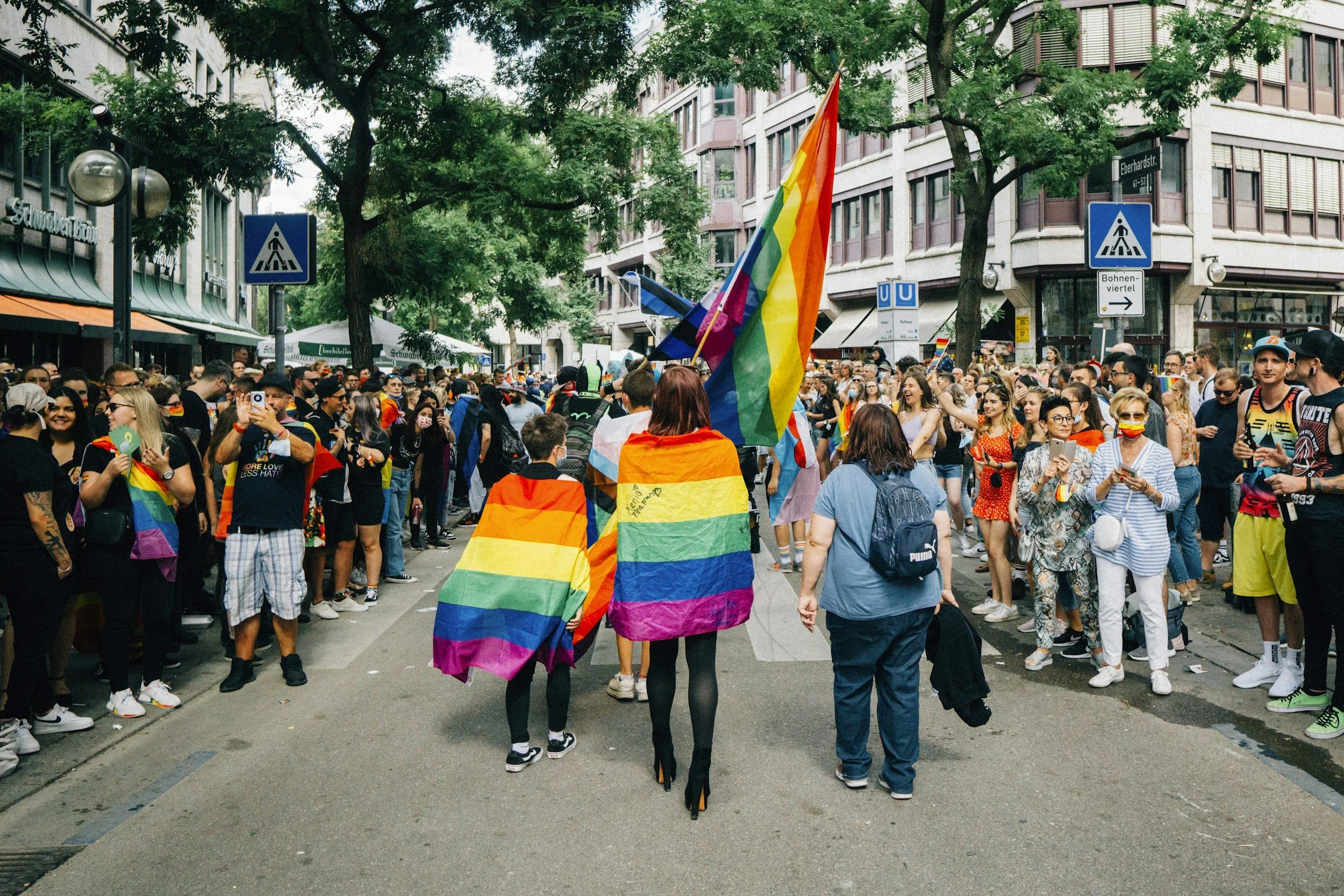
Each June, Pride Month offers an opportunity to honor the lives, contributions, resilience, and joy of LGBTQ+ communities. It is a time to celebrate the rich diversity of queer and trans experiences, while also remembering that Pride began as a protest—a collective refusal to accept discrimination, violence, and exclusion.
In 2026, that history feels particularly relevant. Across the United States, trans and queer communities continue to face escalating legislative attacks, restrictions on healthcare access, efforts to censor LGBTQ+ identities in schools and public spaces, and growing hostility toward those who simply seek to live openly and authentically. Many LGBTQ+ people, particularly transgender, nonbinary, and gender-expansive individuals, are navigating an environment marked by uncertainty, fear, and exhaustion. In moments like these, allyship matters more than ever.
Pride is not only about celebration. It is also about solidarity, protection, advocacy, and community care. While LGBTQ+ people are often at the center of these struggles, the values at stake—freedom, bodily autonomy, dignity, safety, and self-determination—affect all of us. When we create a world where queer and trans people can thrive, we create a world that is safer and more humane for everyone.
The truth is that we all benefit from the protection and affirmation of queer people. When everyone is free to live openly and authentically, it creates a more just, compassionate, and accepting world for all of us.
This short guide offers four practical ways to support the trans and queer people in your life, community, and workplace. This is a reminder that allyship isn’t passive; rather, allyship requires intentional, active participation and, at times, the courage to dissent and advocate boldly for the dignity and rights of our fellow humans.
1. Share your pronouns – regularly!
And especially if you are cisgender. When cisgender people (those whose gender identity aligns with their sex assigned at birth) proactively share their pronouns, this normalizes the practice for everyone and reduces the burden on trans and nonbinary people by creating a buffer against discrimination by making pronoun-sharing a common practice and not exceptional.
Think of it this way: When only trans and nonbinary people share their pronouns, it can unintentionally “out” them. But when everyone has the choice to share pronouns, it becomes a neutral and supportive norm.

Examples:
“Hi, I’m Rachel. I use she/her pronouns.”
Email signature: Alex Kim (they/them)
Zoom: Jordan (any pronouns)
Doing this consistently, especially as a cis person, helps to create environments where gender diversity is respected and normalized but not spotlighted.
2. Intervene When You See Harm
Ally action is protective. Studies show that having at least one supportive adult dramatically lowers suicide risk among LGBTQ+ youth (source:Trevor Project). Microaggressions, misgendering, and discriminatory jokes cause real psychological and emotional harm, and even small actions of allyship can have a protective effect. Examples of supportive intervention include:
Correcting pronouns: “Actually, Sage uses ‘they/them’ pronouns”
Setting boundaries: “Let’s not joke about that—it’s hurtful and not okay.”
Countering microaggressions: "I know you might not mean harm, but that comment doesn’t sit right with me."
Supportive ally actions are necessary to creating safer environments where LGBTQ+ people can live, work, and exist without fear.
3. Advocate for Systemic Change
In today’s world, we must actively and intentionally support change and inclusion through advocacy. This includes advocacy for safer schools, inclusive healthcare, and non-discriminatory policies, as well as voting in support of LGBTQ+ protections, electing officials who work to protect human rights, and supporting trans- and queer-led organizations doing this kind of work, such as:
Donate to queer- and trans-affirming and supportive organizations. Volunteer your time and skills with local LGBTQ+ centers, mutual aid efforts, or advocacy groups. Get involved in campaigns that protect trans and queer rights, uplift LGBTQ+ youth, and demand equity.
4. Celebrate Queer Joy and Resilience
Allyship isn’t just about fighting for rights and addressing unjustice—it’s also about the celebration of queerness: celebrating queer joy, queer art and creativity, and queer resilience. Two actionable ways to do that this month are to:
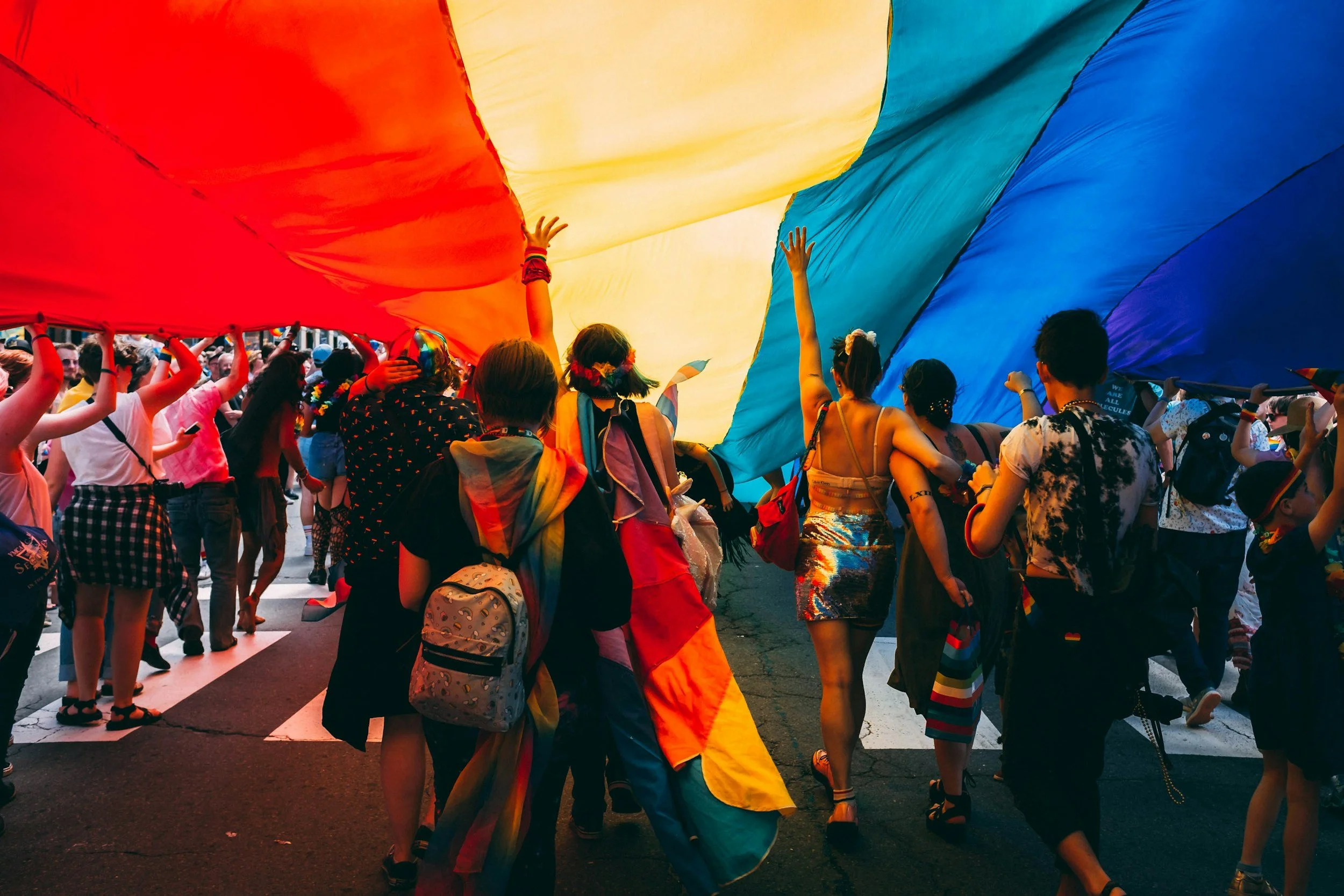
Participate in local Pride events: not just to show support, but to celebrate and connect with your local queer community. In Pittsburgh, go tohttps://pittsburghpride.com/ for more info on Pittsburgh Pride!
Invest in queer creativity: bring inclusive imagery, affirming language, and LGBTQ+ narratives into your daily life—decorate your home with queer art, read books by queer authors (from children’s stories to memoirs), and support queer creators whenever you can.
Joy is resistance. Celebration is solidarity. When we center queer voices in our lives, communities, and culture, we help build a world where everyone gets to live fully and freely as themselves.
Being Proactively Supportive, Not Just “Accepting”
True inclusion goes beyond tolerance and passive acceptance. Rather, being proactively supportive means creating space before someone has to ask for it.
Being an ally isn’t about getting it right or perfect every time. It’s about having an open heart and willingness to learn: whether that is learning new words and language that affirm people’s identities; or new ways of communicating, asking, and listening; or new understandings of gender, sexuality, and lived experience.
And sometimes, allyship is about learning new truths about ourselves—our assumptions, our privilege, and our capacity to grow.
Being an ally is about showing that we care enough to build a world where trans and queer folx don’t just survive, but thrive.
Browse by Date
Browse by Category

About the Author
Hi, I'm Sable, a Licensed Professional Counselor specializing in Emotionally Focused Couples Therapy. As a queer and neurodivergent therapist, I bring both professional expertise and lived experience to my work. Here, I write about attachment science, relationships, queerness, neurodivergence, mindfulness, and yoga, exploring how our relationships—with others, ourselves, and our bodies—shape healing and growth.