Yoga as a Practice of Embodiment

In the first few moments of a yoga practice, the instructor will often begin with guided, mindful breaths accompanied by words along the lines of:
“If you’d like, take a moment now to set an intention for the practice today. Maybe your intention is to have no judgment—toward others, and toward yourself. This is your practice—your breath, your body…”
This sets the tone of the rest of the practice moving forward, establishing that the next however-many minutes are for the practitioner to be curious about, attuned to, and observant of their body and breath.
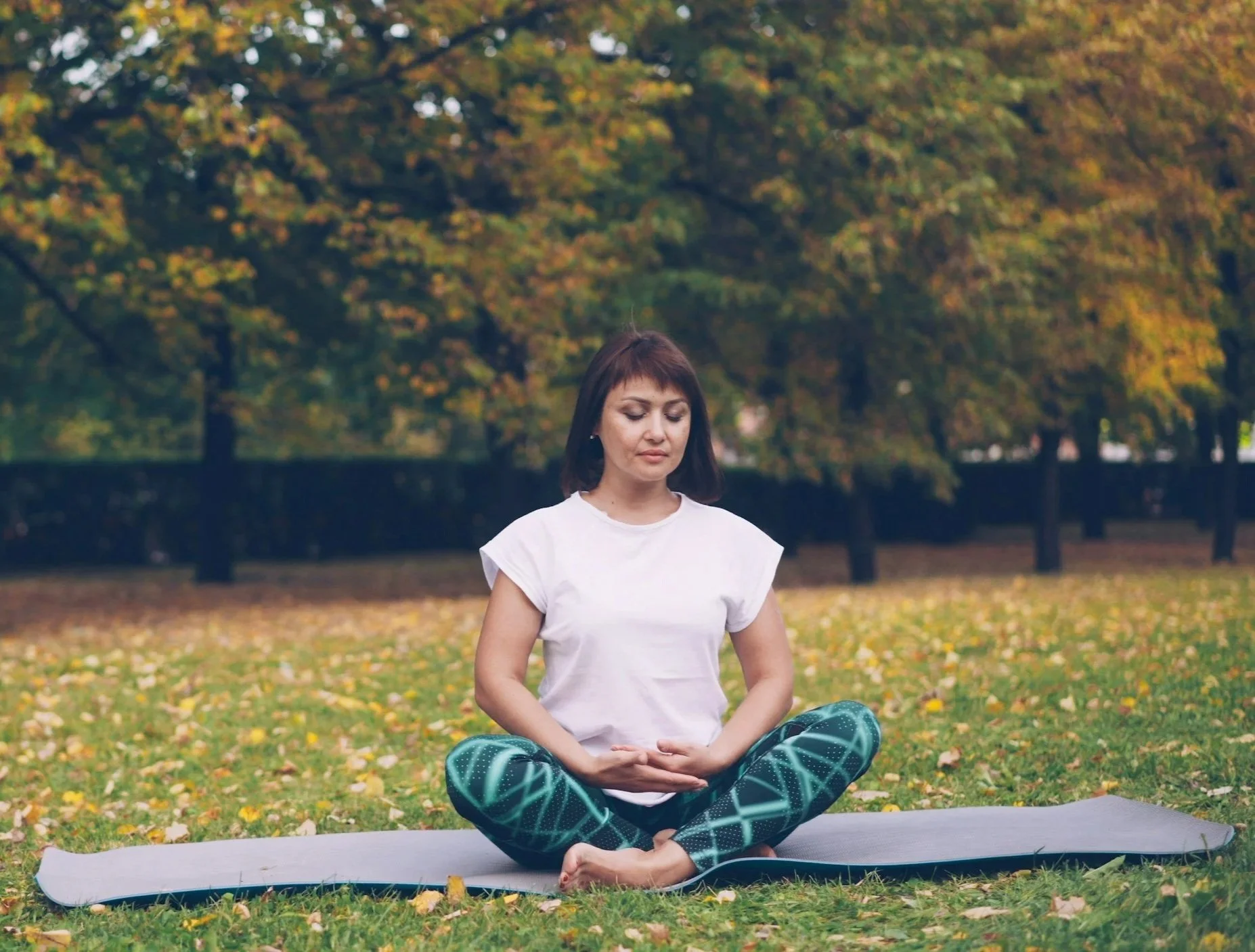
In daily life, there are few moments when we slow down, on purpose, and listen to our bodies with the level of intention that a yoga class might ask. Yoga is a practice of being mindfully aware of, mindfully ‘in’ one’s body—it is a practice of dynamic embodiment that asks for constant attunement to the breath and body, through movement and the static holding of postures.
It allows us to be curious about the sensations in our body and notice how it feels to occupy different shapes and forms. Yoga offers a framework for cultivating mindful embodiment through repeated invitations to notice the breath, observe sensations, and respond with acceptance. Through this practice we gradually build awareness of our own internal experiences, and while this may not always be comfortable, yoga does not hold any one experience as more desirable than another. Instead, it teaches us to meet whatever arises with curiosity, choice, and compassion.
Truly, mastery of yoga is not about achieving complex postures or reaching a particular state of being. Rather, it is about practicing this continual process of returning to ourselves, one breath at a time—not forcing ourselves into a particular experience or holding expectations of what our bodies should do, but developing a relationship with our body as it is.
Through this practice, we become more connected to ourselves, our experience in our body, and our capacity for embodiment. We cultivate greater self-attunement, autonomy, and compassion, as we practice coming home to ourselves again and again, welcoming whatever we may find.
Browse by Date
Browse by Category
About the Author
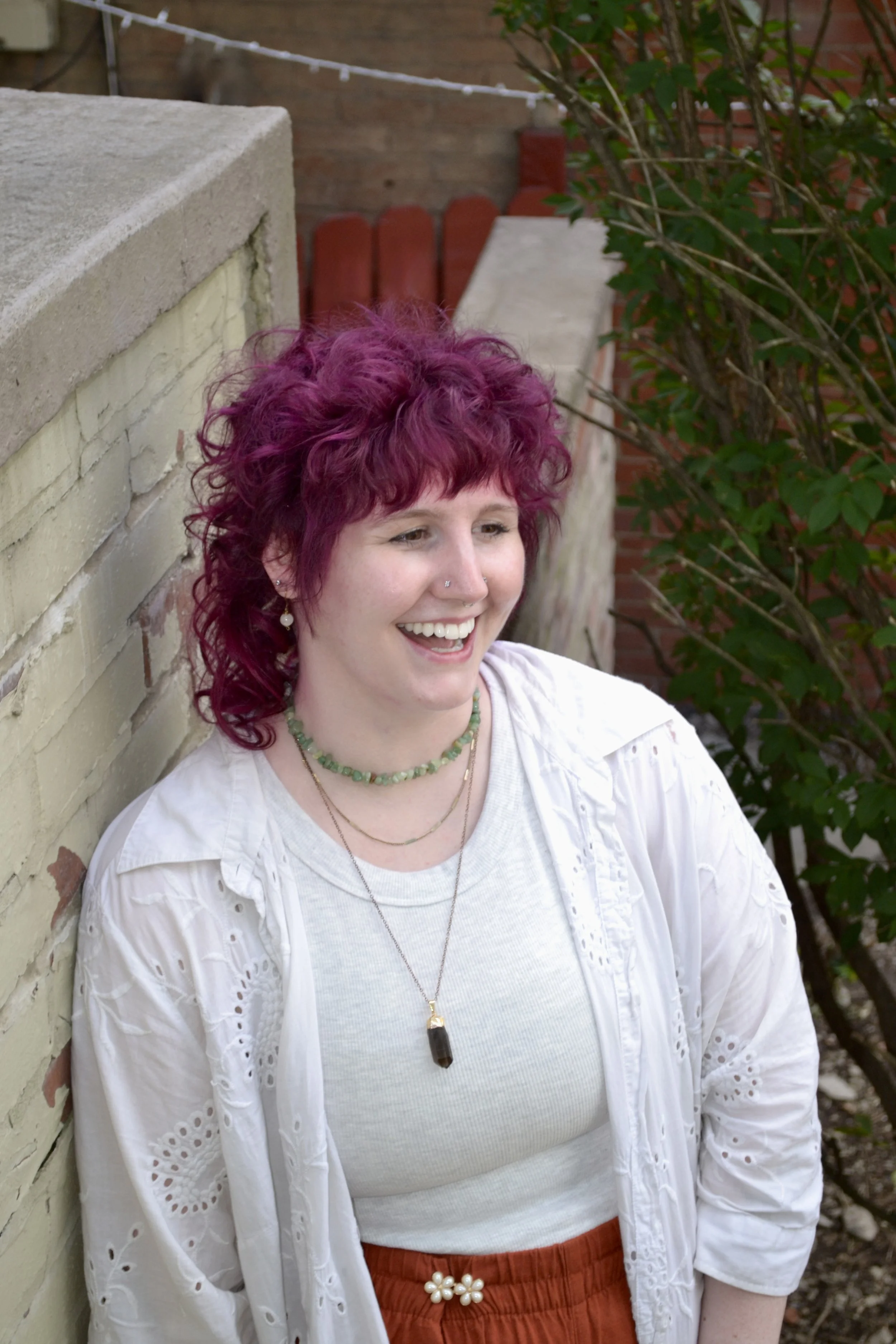
Hi, I'm Sable, a Licensed Professional Counselor specializing in Emotionally Focused Couples Therapy. As a queer and neurodivergent therapist, I bring both professional expertise and lived experience to my work. Here, I write about attachment science, relationships, queerness, neurodivergence, mindfulness, and yoga, exploring how our relationships—with others, ourselves, and our bodies—shape healing and growth.